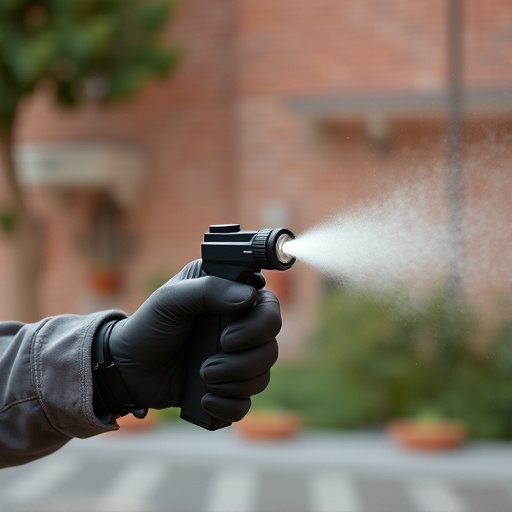
"When to Use Pepper Spray Safely" emphasizes its role as a last-resort self-defense tool governed by legal constraints varying across jurisdictions. Effective deployment requires training in aiming, wind awareness, and managing side effects. Key considerations include threat level assessment, exhausting escape/de-escalation options, and understanding local laws. Regular practice and refresher courses are vital for safe and responsible usage while minimizing risk to oneself and others.
“In today’s unpredictable world, understanding tactical defensive tools like inflammatory spray is crucial for personal safety. This comprehensive guide explores ‘Understanding Tactical Inflammatory Spray’ to equip individuals with vital knowledge. We delve into ‘When is Pepper Spray Legal to Use?’ emphasizing responsible deployment. Learn essential ‘Safety Measures’ and ‘Threat Level Identification’ techniques for effective defense. Additionally, we cover ‘Training and Responsibilities’ for users, ensuring informed and safe usage of this powerful tool. Discover when and how to use pepper spray safely.”
- Understanding Tactical Inflammatory Spray
- When is Pepper Spray Legal to Use?
- Safety Measures for Effective Defense
- Identifying Threat Levels: When to Deploy
- Training and Responsibilities for Users
Understanding Tactical Inflammatory Spray
Tactical inflammatory spray, often referred to as pepper spray, is a powerful non-lethal self-defense tool designed for law enforcement and military personnel. It works by irritating the eyes and respiratory system, temporarily disabling an attacker, providing users with crucial time to escape or subdue their assailant. Understanding when and how to use this technology safely is paramount.
Pepper spray should only be deployed as a last resort when facing an imminent threat of physical harm. Training is essential for individuals who carry this device to ensure they can aim accurately while minimizing the risk of bystander injury. Proper usage involves targeting the face, specifically the eyes and nose, at close range, typically within three to eight feet. This knowledge empowers users to defend themselves effectively while adhering to ethical and safety guidelines.
When is Pepper Spray Legal to Use?
Pepper spray, also known as oleoresin capsicum (OC) spray, is a powerful tool for self-defense when used appropriately and in accordance with local laws. The legality of carrying and using pepper spray varies significantly across different jurisdictions, so understanding when it’s legal to use is essential for safety and avoiding legal consequences.
In many regions, pepper spray is permitted for personal protection if the individual has a valid reason to believe they are in danger or facing an imminent threat. This typically includes situations like being followed or stalked, attacked by an animal, or facing physical assault from another person. Law enforcement officers often carry and use pepper spray as part of their official duties, but civilians must follow strict guidelines when considering its use for self-defense purposes. When to Use Pepper Spray Safely involves assessing the threat level, ensuring there’s no other reasonable way to escape or de-escalate the situation, and knowing the legal boundaries set by your local laws and regulations.
Safety Measures for Effective Defense
When to Use Pepper Spray Safely is a crucial consideration for anyone interested in self-defense systems, especially tactical inflammatory spray defense systems. It’s essential to understand that pepper spray should be employed as a last resort when facing an imminent threat of physical harm. The safety measures surrounding its use are critical; users must ensure they have a clear understanding of the laws and regulations governing pepper spray possession and usage in their jurisdiction, as these vary widely.
Effective defense with pepper spray requires proper training and awareness. Knowing the right distance to deploy the spray, how to aim for the eyes and face, and being mindful of wind direction are all vital skills. Users should also be prepared for potential side effects like temporary blindness and difficulty breathing, ensuring they can safely apply the spray while minimizing risk to bystanders or themselves. Regular practice in controlled environments is key to mastering these techniques.
Identifying Threat Levels: When to Deploy
Identifying threat levels is a crucial step in determining when to deploy a tactical inflammatory spray defense system, such as pepper spray. The safety and effectiveness of its use depend on assessing the situation accurately. In low-threat scenarios, where an individual feels threatened but there’s no imminent physical harm, pepper spray can be a last resort after trying de-escalation tactics. These situations might involve unexpected encounters or individuals displaying aggressive behavior without actual physical aggression.
In contrast, high-threat levels warrant immediate deployment. This includes instances of physical assault, weapons brandishing, or when an individual’s actions clearly indicate an intent to cause serious harm. In such cases, pepper spray serves as a powerful tool for self-defense and crowd control, providing a safe way to disable an attacker temporarily while allowing time for backup or escape. Knowing when to use pepper spray safely is paramount for effective protection without escalating violence unnecessarily.
Training and Responsibilities for Users
Proper training is paramount when it comes to handling tactical inflammatory spray defense systems, commonly known as pepper spray. Users must be educated on not only the spray’s effectiveness but also its potential risks and when to use it safely. Training should cover proper application techniques, including aiming, distance, and pressure control, ensuring minimal harm to bystanders and maximized impact on the target.
Responsibilities of the users extend beyond basic operation. They should be equipped with knowledge about de-escalation tactics, understanding when force is necessary, and recognizing the legal implications of pepper spray use. Regular refresher courses are essential to keep users updated on safety protocols, new regulations, and best practices for when to use pepper spray safely in various scenarios.
A tactical inflammatory spray defense system, also known as pepper spray, can be a powerful tool for self-defense in specific situations. Understanding its application, legal boundaries, and safety protocols is crucial. By knowing when to deploy it, how to use it safely, and the responsibilities that come with it, individuals can protect themselves effectively while adhering to legal guidelines. Remember, responsible usage and proper training are key to ensuring pepper spray remains a reliable defense mechanism.