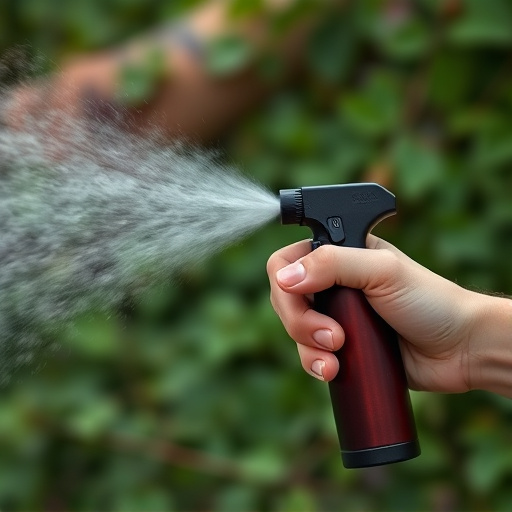
Pepper spray's chemistry, especially its active ingredient capsaicin from chili peppers, varies in concentration, affecting effectiveness and safety protocols. Responsible usage requires officer training to minimize harm to bystanders while incapacitating suspects. Legal frameworks govern deployment, emphasizing proportionality and due process. Safe handling practices, strategic deployment, and post-exposure care are crucial for effective yet controlled use in high-stress scenarios.
Pepper spray, a powerful law enforcement tool, has evolved far beyond its early forms. This article delves into the science behind police-grade inflammatory pepper spray compounds, exploring the chemistry that makes them effective. We navigate legal considerations essential for officers’ protection and public safety. Additionally, we cover safe handling, deployment techniques, and best practices for post-exposure care. Understanding when to use pepper spray safely is crucial for effective intervention in various situations.
- Understanding Pepper Spray Chemistry
- Legal Considerations for Law Enforcement
- Safe Handling and Deployment Techniques
- Situations Requiring Pepper Spray Intervention
- Best Practices for Post-Exposure Care
Understanding Pepper Spray Chemistry
Pepper spray, a powerful law enforcement tool, is a chemical compound designed to disrupt normal bodily functions when deployed. Its primary active ingredient is capsaicin, a natural substance derived from chili peppers. This compound stimulates nerve endings, causing a burning sensation and temporary blindness. The concentration of capsaicin varies in different pepper spray formulations, determining their effectiveness and safety measures required during usage.
Knowing the chemistry behind pepper spray is crucial when considering its safe application. Law enforcement officers are trained to use it responsibly, ensuring minimal impact on bystanders and adhering to specific protocols. When used appropriately, pepper spray can incapacitate a suspect temporarily without causing severe harm. Understanding its chemistry enables users to make informed decisions, especially in high-stress situations, thus enhancing safety for both officers and the public.
Legal Considerations for Law Enforcement
When deploying pepper spray, law enforcement agencies and officers must adhere to strict legal considerations to ensure its safe and effective use. The application of force, including chemical agents like pepper spray, is subject to detailed protocols and policies designed to protect both officers and civilians. These guidelines define when and how pepper spray can be employed, emphasizing the need for a reasonable and proportionate response to threats.
Officers must receive proper training on the safe handling and deployment of pepper spray, including awareness of potential health risks and de-escalation techniques. The legal framework surrounding its use varies by jurisdiction but generally includes provisions for minimizing harm, ensuring due process, and maintaining transparency in incidents involving pepper spray. Understanding these legal considerations is crucial to help officers make informed decisions about when to use pepper spray safely and responsibly.
Safe Handling and Deployment Techniques
When using pepper spray, it’s crucial to prioritize safety for both officers and civilians. When to use pepper spray safely involves understanding specific scenarios where its deployment is justified and necessary. Officers should be trained to assess situations objectively, considering factors like the subject’s behavior, potential threats, and proximity to bystanders. Proper timing is key; using pepper spray only when all other de-escalation tactics have been exhausted demonstrates a measured and responsible approach.
Safe handling techniques are equally important. This includes storing pepper spray in secure, designated areas, ensuring it remains sealed and intact until needed. Officers must be familiar with the spray’s expiration date and proper usage instructions. Additionally, regular maintenance and inspection of spray devices help guarantee their reliability during critical moments. When to use pepper spray safely is not just about knowing when to deploy it but also mastering the safe handling procedures that underpin its effectiveness and prevent accidental misuse.
Situations Requiring Pepper Spray Intervention
Pepper spray, a powerful tool for law enforcement and self-defense, is designed to disrupt an individual’s vision, breathing, and movement, providing a crucial window of opportunity in potentially dangerous situations. Its use is strategically timed and targeted, making it an effective intervention when facing resistant individuals who pose an immediate threat. From controlling agitated crowds during protests to neutralizing aggressive assailants, pepper spray serves as a last resort when conventional methods fail.
Determining when to employ pepper spray safely involves assessing the intensity of the situation. It is ideal for scenarios where a suspect or individual is uncooperative, violent, or poses a risk to public safety. Trained officers learn to recognize the cues and behaviors that warrant its use, ensuring minimal harm while maximizing control. When utilized appropriately, pepper spray can quickly de-escalate high-stress situations, allowing for safer resolution and minimizing long-term physical and psychological impacts on both individuals involved and bystanders.
Best Practices for Post-Exposure Care
After using pepper spray safely, proper post-exposure care is crucial. The first step is to immediately move to a safe, open area away from potential sources of ignition or heat, as the spray can sensitize skin and eyes, making them more susceptible to burns. Wash the affected areas with plenty of water for at least 15 minutes, ensuring thorough cleansing to remove any residual spray.
For eye exposure, seek immediate medical attention. Soak a clean cloth in cold water and place it gently over the eyes for 10-15 minutes to help reduce irritation and swelling. Avoid rubbing or touching the affected area, as this can worsen the discomfort. Inhaled exposure requires immediate fresh air. If breathing is difficult, sit upright and lean forward, allowing the person to breathe in cool, clean air. Stay calm and keep the individual warm to prevent further hypothermia.
Pepper spray, a powerful law enforcement tool, is an effective solution when faced with volatile situations. Understanding its chemistry, legal framework, and safe handling practices is paramount for optimal deployment. By adhering to best practices, including post-exposure care, professionals can ensure its responsible use, making it a valuable asset in securing public safety while respecting legal boundaries. When utilized appropriately, pepper spray plays a crucial role in navigating challenging scenarios, offering a balanced approach to law enforcement tactics.